Start with the full name
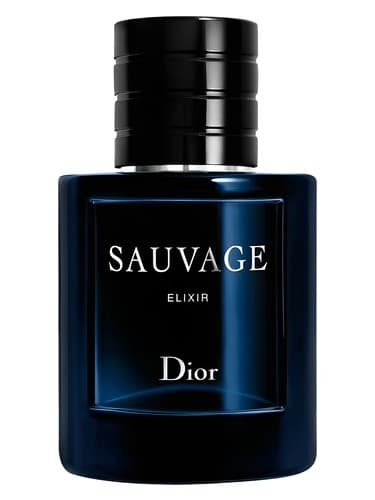
When you look up a fragrance, include the concentration and any edition or flanker name. Eau de Toilette, Eau de Parfum and Parfum belong in the identity of the fragrance you are comparing. A familiar name on a similar bottle can conceal a different version.
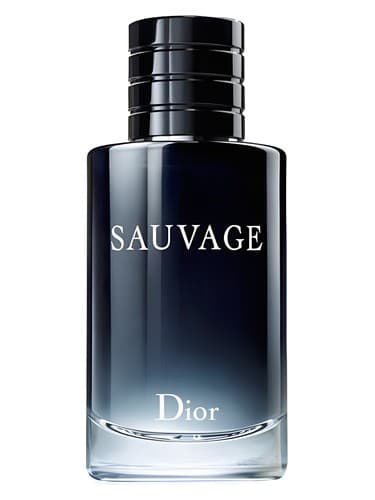
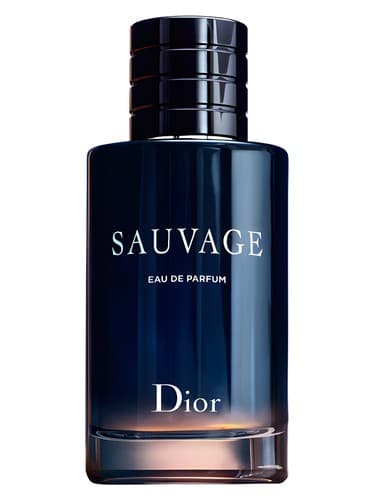
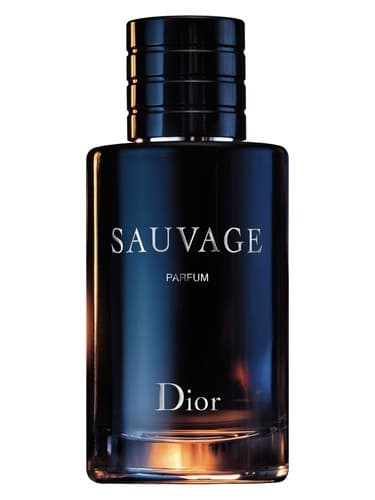
Consider Dior Sauvage. Dior describes its Eau de Parfum through citrus and vanilla, while its published range guide highlights mandarin, tonka bean and sandalwood for the Parfum. The comparison is more interesting than simply asking which label sounds stronger.
Compare the questions that matter to you
Put two exact versions side by side. Begin with their descriptions and listed notes, then read reviews of each version. Look for specific observations about the scent and how it develops, rather than treating a higher concentration name as an automatic recommendation.
Keep scent preference separate from longevity, projection and value. Someone can love how a fragrance smells and still find it unsuitable for their routine. Someone else can appreciate an understated scent that stays close to them. A useful comparison leaves space for both experiences.
Make your review useful to the next person
Before saving or reviewing a fragrance, check that the page matches the name on the bottle or sample. If you are unsure which version you tried, resolve that first. Your recollection is more useful when it belongs to the right profile.
Describe what you noticed and the circumstances in which you wore it. A clear account of one version helps the next reader much more than a sweeping judgment about the whole fragrance line. Scentolio keeps versions separate so those differences remain visible.
Further reading
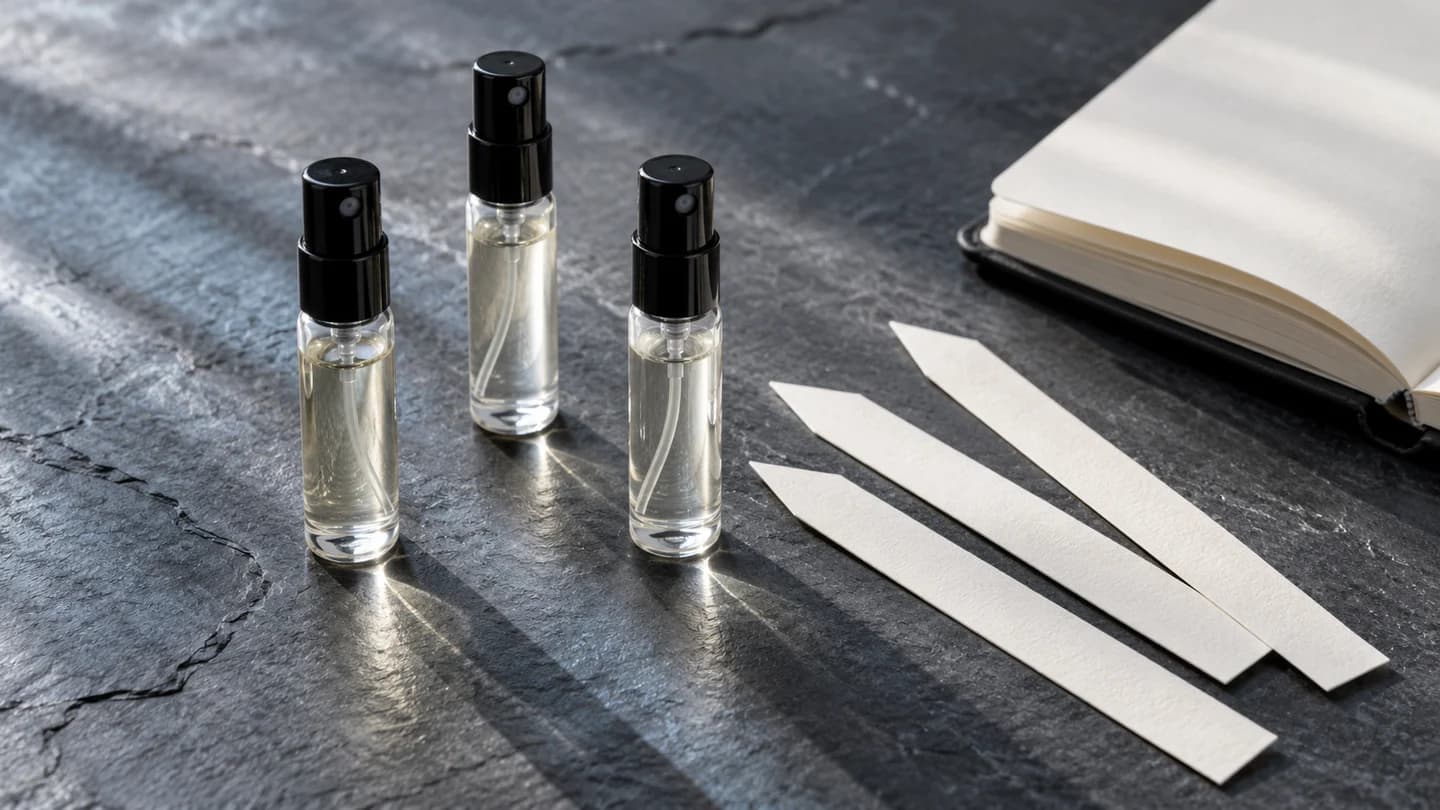
AI-generated editorial illustration for Scentolio.