Start with the roots
Vetiver is a grass, but the natural oil used in perfumery comes from its roots. That is a useful first clue: the word does not simply mean a freshly cut lawn. A woody, earthy impression is a better place to begin.
IFF’s LMR Naturals describes its Haitian vetiver oil in terms of wood and earth, with grapefruit and nutty nuances. These are descriptions of that particular raw material, not a checklist every vetiver perfume must satisfy. The finished fragrance may place the note in a very different setting.
Build a vocabulary you can actually use
When you encounter vetiver in a fragrance, try asking a small set of questions. Does the woody impression feel dry or soft? Does it suggest roots or soil? Is there a bitter, citrus-like edge? You do not need to identify all of these, and you may find a different description more useful.
Write down what you notice before reading the note list again. “Dry and slightly bitter” is more informative than copying five materials from a product page. If all you can say is that the fragrance feels woody, start there. Recognition develops through comparison; it is not an exam.
A note is not the whole perfume
Two fragrances can list vetiver without smelling much alike. The rest of the composition, the way the note is presented and what you pay attention to all affect the experience. A shared-note recommendation is therefore an invitation to explore, not evidence that one perfume duplicates another.
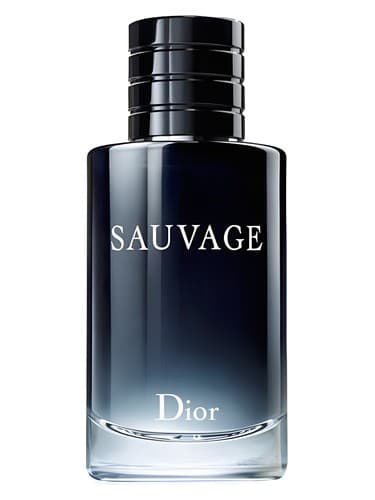
Bal d’Afrique and Sauvage Eau de Toilette both have vetiver listed in Scentolio’s catalogue. Try reading their full profiles side by side: the other notes and the overall descriptions give the shared word different contexts. Do not expect either finished perfume to teach you exactly how an isolated raw material smells.
Explore one connection at a time
Use the vetiver note page as a shortlist. Pick a fragrance you already know, then one you are curious about. Keep the exact concentrations separate and compare your impressions before deciding whether vetiver is the part you enjoy.
If a review mentions vetiver, look for an explanation of what the writer means by it. “I notice a dry woody finish” gives you something to investigate. “It has vetiver” mainly repeats the catalogue. The most useful reviews connect a note to an experience, while leaving room for someone else to smell it differently.
Further reading
AI-generated editorial illustration for Scentolio.