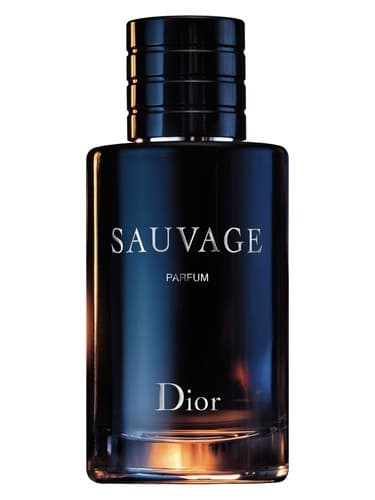
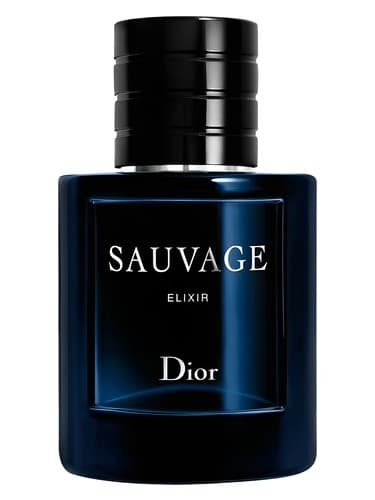
Based on Dior’s published descriptions. This is a comparison guide, not a wear test.
| Version | Released | Dior’s highlighted notes |
|---|---|---|
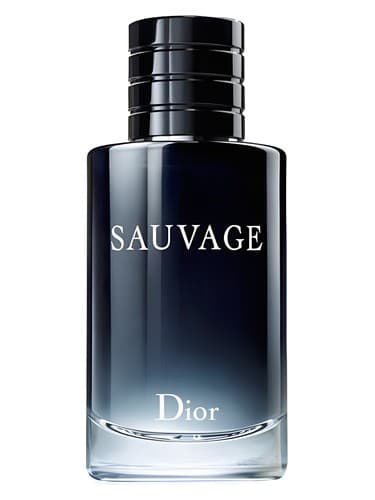
| Eau de Toilette | 2015 | Bergamot · Sichuan pepper · ambery woods |
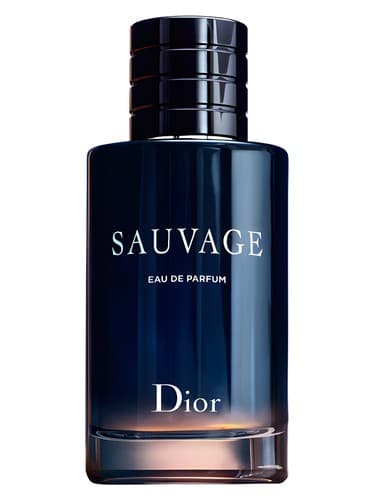
| Eau de Parfum | 2018 | Bergamot · vanilla · patchouli |
| Parfum | 2019 | Mandarin · tonka bean · sandalwood |
| Elixir | 2021 | Warm spices · lavender · woods |
Look beyond the concentration
If you have tried one Sauvage, you have not necessarily tried the one in someone else’s review. The concentration belongs to the fragrance’s identity: these four releases put different materials in the foreground. This guide covers the four versions currently in Scentolio’s catalogue, rather than every edition in the wider range.
The table above is a quick map of the notes Dior highlights. Treat it as a way to choose a comparison, not a ranking. A shorter note list does not mean a simpler formula, and a more concentrated label does not tell you which scent you will prefer.
Choose two different starting points
Dior presents the Eau de Toilette around peppery citrus and ambery woods. Its product description identifies bergamot, Sichuan pepper and ambroxan. Start here if you want to investigate the citrus-and-pepper side of Sauvage, then compare it with the Eau de Parfum, where Dior makes vanilla a defining part of the description.
For a different comparison, put Parfum beside Elixir. Dior’s range guide highlights mandarin, tonka bean and sandalwood for Parfum; Elixir turns the focus toward warm spices, lavender and woods. Those are useful distinctions to listen for on a blotter or on skin, rather than a promise of exactly what everyone will perceive.
Do not let “stronger” make the decision
Longevity, projection and your enjoyment of the scent are separate questions. A fragrance can remain detectable close to the skin without filling the space around you. Before comparing review scores or wear reports, check that both refer to the same version and notice the circumstances the reviewer describes.
We have not conducted a controlled wear test of these four fragrances, so there is no hours-per-spray league table here. Use the catalogue to check their identities, then use a sample to decide how each fits your routine.
Make the comparison yours
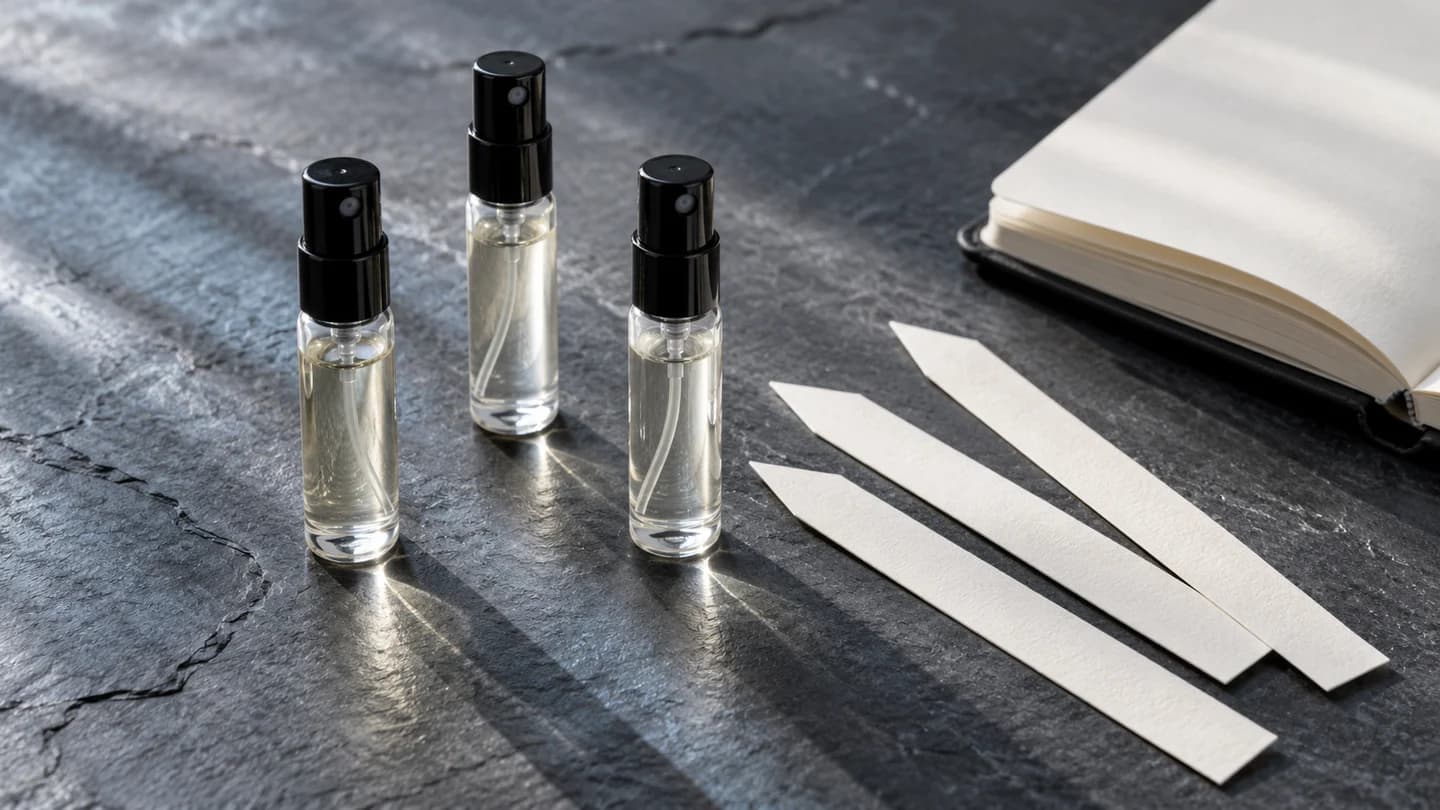
Begin with two versions rather than spraying all four at once. Label separate blotters with the full names, smell them without looking at other people’s verdicts, and write a few ordinary words: sharp, soft, sweet, dry, familiar or surprising. Those first impressions give you something personal to return to.
Try your favourite on its own on another day. Revisit it later and ask whether you still want to smell it. Keep the exact version in your notes and in your Scentolio collection. The useful outcome is a preference you understand—not a winner that everyone has to agree with.
Further reading
Catalogue photography arranged by Scentolio.